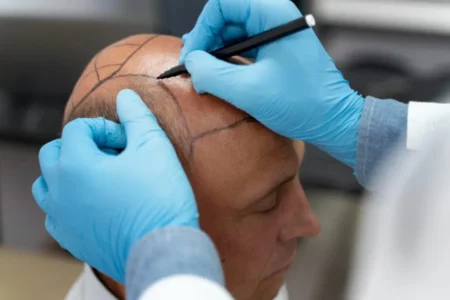
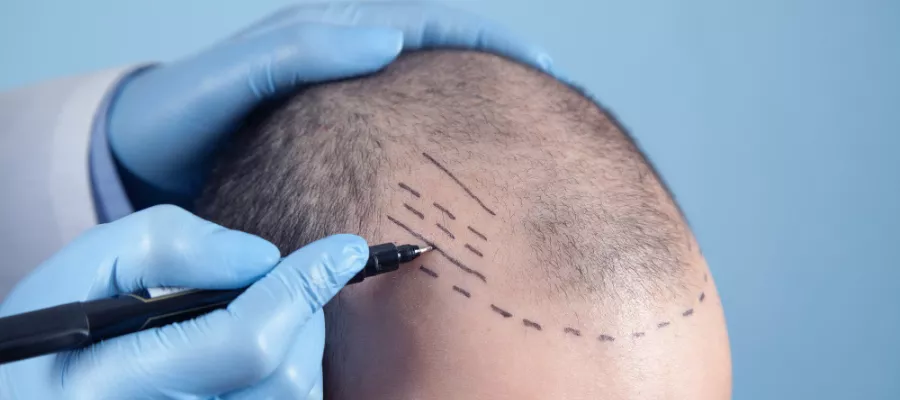
DHI hair transplant, a modern method where hair follicles are directly placed into the recipient area using a special pen, aims to achieve a natural and dense appearance. In this technique, channel opening and implantation are performed simultaneously, allowing for a more controlled process.
This method, which offers an advantage especially for those who do not want to shave their heads completely, also helps to preserve existing hair. When applied correctly, it produces very aesthetic and natural results.
How Does the DHI Hair Transplant Technique Work?
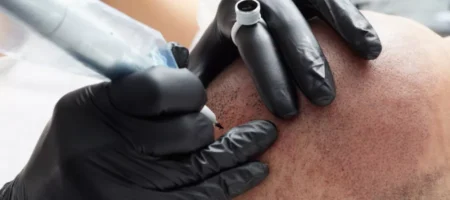
During the procedure, hair follicles are individually extracted from the donor area and directly implanted into the recipient area using special implanter pens. In the DHI hair transplant technique, the follicles are implanted quickly without delay, thus preserving the viability rate.
This system allows for more precise control of the hair’s exit angle and direction. This results in a more natural look and increased density.
What Are the Steps Involved in a DHI Hair Transplant Procedure?
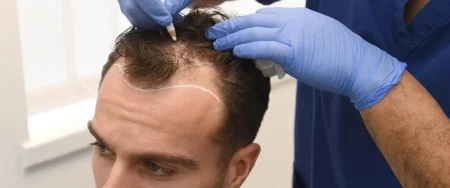
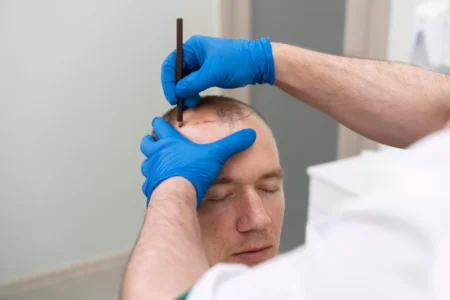
The first stage involves a detailed examination and planning. The hairline is determined, and the required number of grafts is calculated. Then, hair follicles are harvested from the donor area.
The harvested hair follicles are placed directly into the recipient area using special pens. The entire procedure is performed under local anesthesia, with patient comfort being a priority.
Who Is DHI Hair Transplant Suitable For?
Individuals experiencing hair loss and with sufficient donor areas are suitable candidates for this method. DHI hair transplant can yield more effective results, especially for those who want to increase hair density.
It is also an ideal option for individuals who do not want to cut their hair or who aim for a more natural look. Suitability should be clarified with an expert assessment.
What Are the Advantages of DHI Hair Transplant?
One of the most important advantages of this method is that it provides a denser and more natural look. Since the channel opening process is not done separately, the process is more controlled.
Additionally, the risk of damage to existing hair is lower. A faster healing process and less trauma are also significant advantages.
With proper planning and expert execution, the results are highly successful, both aesthetically and in the long term.
What Are the Disadvantages and Potential Risks of DHI Hair Transplant?
Although it is a modern method, there may be some disadvantages and risks. The DHI hair transplant procedure is generally longer and requires more attention to detail.
Side effects may include mild redness, swelling, and tenderness. In rare cases, infection or root loss may occur. However, these risks are quite low when performed by an experienced team.
What Are the Differences Between DHI and FUE Hair Transplant?
The main difference between the two methods is the implantation technique. In the DHI hair transplant method, the follicles are directly placed using special pens, while in the FUE technique, channels are first opened and then the follicles are placed.
DHI offers the possibility of more dense and controlled hair removal, while FUE provides an advantage in covering large areas. Which method is preferred should be determined according to the individual’s needs.
Is DHI Hair Transplant Possible Without Shaving?
Yes, this method can be performed without shaving. Especially for those with aesthetic concerns, DHI hair transplant offers a significant advantage as it can be done without completely cutting the hair.
This technique allows individuals to return to their social lives more quickly. However, it may not be suitable for every patient, so expert evaluation is necessary.
What Should Be Considered Before DHI Hair Transplant?
Certain preparations before the procedure increase its success. It is recommended to discontinue blood-thinning medications and limit alcohol and smoking.
It is also important that the hair is clean on the day of the procedure and that the doctor’s instructions are followed. All these preparations contribute to a smoother procedure.
Mild redness and scabbing may be observed in the first few days after the procedure. The healing process in the area where DHI hair transplant was performed is usually completed within 7-10 days.
You may experience shock shedding in the first few weeks, but this is temporary. New hair will start growing after 2-3 months, and noticeable results will be visible from the 6th month onwards. Final results will appear in approximately 10-12 months.
With proper care and regular follow-up, the results are natural, lasting, and aesthetically pleasing.
DHI Hair Transplant Turkey Prices 2026
DHI Hair Transplant Turkey prices in 2026 range from €2,500 to €3,250 on average. DHI hair transplant costs vary according to graft numbers, surgeon experience, clinic standards, and individual hair restoration needs. The technique uses a Choi implanter pen to place extracted hair follicles directly into the recipient area.
Many Turkish clinics include consultation, surgery, medication, transfers, and aftercare within their treatment packages. Istanbul is a popular destination for DHI hair transplant procedures because of experienced medical teams and competitive pricing. The final price is usually confirmed after evaluating hair loss, donor quality, and required graft numbers.
Frequently Asked Questions About DHI Hair Transplant
How long does a DHI hair transplant take?
The procedure time varies depending on the number of grafts to be transplanted and the planned density. Generally, DHI hair transplant is completed in 6 to 8 hours. This time may be longer for more extensive procedures.
The procedure is performed in a single session, and the patient is discharged the same day. Because the process requires careful attention, the application time may be slightly longer compared to other methods.
How many grafts can be transplanted in a single session with DHI hair transplant?
The number of grafts that can be transplanted in a single session depends on the individual’s donor capacity and hair structure. Generally, a transplant of between 2500 and 4000 grafts is planned.
In the DHI hair transplant method, since the follicles are placed one by one, a more controlled procedure is performed. This provides an advantage in terms of density, but it may also affect the duration of the sessions.
How is the natural hairline planned in DHI hair transplant?
Proper hairline planning is crucial for achieving a natural look. During DHI hair transplant, the hairline is designed individually for each patient, taking into account their facial features, age, and existing hair structure.
The hairline is not created as a perfectly straight line. Slightly irregular and natural transitions are planned to achieve an aesthetically pleasing look. Furthermore, the angle and direction of hair follicle emergence are carefully adjusted. These details are among the most important factors in ensuring a natural-looking transplant result.
When planning a natural hairline in DHI hair transplant, the following points are taken into consideration:
- Evaluation of facial features
- Age considerations
- Examination of the existing hair structure.
- Custom hairline design
- Creating slightly irregular and natural transitions.
- Adjusting the hair’s exit angle.
- Preserving the hair’s natural direction.
Are hair transplants done with DHI permanent?
DHI hair transplant provides permanent results because the transplanted hair follicles are taken from a donor area that is genetically resistant to hair loss. The transplanted hairs continue to grow and complete their life cycle like natural hair over time.
However, hair loss may continue in existing hair that has not been transplanted. Therefore, maintaining the overall appearance of the hair with supportive treatments and regular care is recommended.
Factors affecting the longevity of DHI hair transplant include:
- Using donor hair follicles resistant to hair loss.
- The transplanted hair grows naturally.
- Preserving existing hair.
- Application of supportive treatments
- Regular hair care
Is DHI hair transplant possible if there is insufficient donor area?
Even when the donor area is insufficient, alternative solutions can be planned for the procedure. Although the nape area is generally preferred for DHI hair transplant, support can be obtained from different areas if the number of follicles is insufficient.
However, in this case, the area to be planted and the targeted density are planned more carefully. With expert evaluation, a personalized strategy is created to achieve the most efficient results.
In DHI hair transplant, can beard hair follicles be used as donors?
Yes, beard hair follicles can be used as donors in suitable cases. This method offers an alternative solution, especially for individuals who lack sufficient hair follicles in the nape area.
Beard hair is generally preferred in the middle and back areas because the roots are thicker there. With proper planning, it’s possible to achieve a natural look.
Can DHI hair transplant be performed a second time?
If sufficient density is not achieved after the first procedure, or if hair loss continues over time, a second procedure can be performed. DHI hair transplant is a procedure that can be repeated when the appropriate conditions are met.
Before the second session, the condition of the donor area and the existing hair density are evaluated in detail. This ensures a more balanced and aesthetically pleasing appearance.
Is PRP treatment necessary after DHI hair transplant?
PRP treatment is not mandatory, but it can be quite beneficial as a supportive treatment. After DHI hair transplant, PRP application contributes to faster hair follicle attachment and strengthening.
Therefore, it is recommended by many experts. When applied regularly, it can speed up the healing process and improve the quality of results.
What is the most suitable season for DHI hair transplant?
The procedure can be performed at any time of year; it is not tied to a specific season. However, it is important to protect yourself from the sun and avoid excessive sweating in the first few days after DHI hair transplant.
Therefore, spring and autumn months generally offer a more comfortable experience. During the summer months, however, more attention needs to be paid to sun protection and skincare. With proper care and expert advice, it’s possible to achieve successful and lasting results in every season.